


The “WRONG MAN” of the L.O.R.D.S: an object that generates counter-narratives.
29 de March de 2026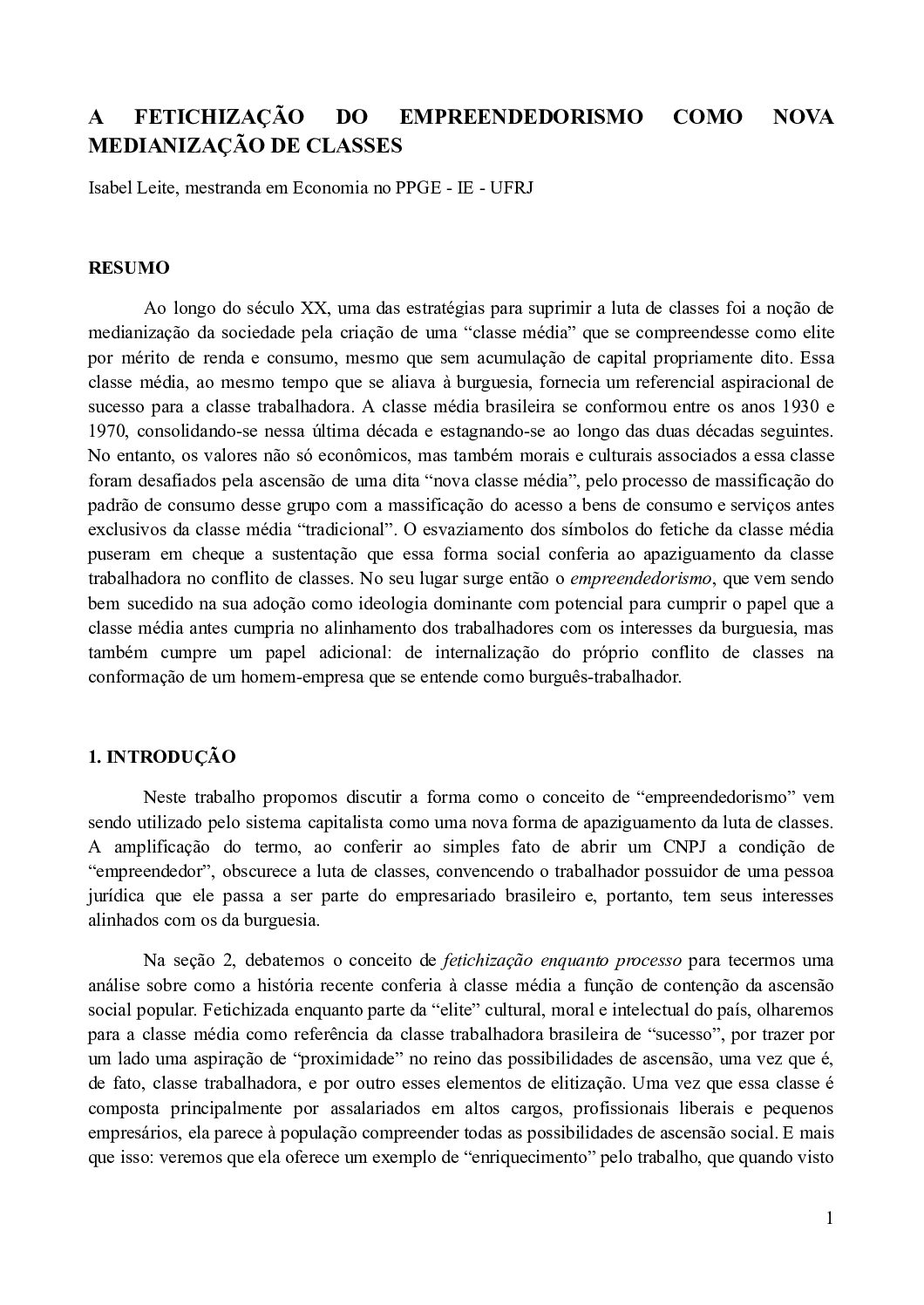
Author:
Isabel Leite
Abstract:
Throughout the 20th century, one of the strategies to suppress class struggle was the notion of the medianization of society through the creation of a “middle class” that understood itself as an elite by merit of income and consumption, even without actual capital accumulation. This middle class, while allying itself with the bourgeoisie, provided an aspirational benchmark of success for the working class. The Brazilian middle class was formed between the 1930s and 1970s, consolidating itself in the latter decade and stagnating over the following two decades. However, the values—not only economic, but also moral and cultural—associated with this class were challenged by the rise of a so-called “new middle class,” by the process of massification of the consumption pattern of this group with the massification of access to consumer goods and services previously exclusive to the “traditional” middle class. The emptying of the symbols of middle-class fetishism has called into question the support that this social form provided for the appeasement of the working class in the class conflict. In its place, intrepreneurship emerges, which has been successful in its adoption as a dominant ideology with the potential to fulfill the role that the middle class previously played in aligning workers with the interests of the bourgeoisie, but it also fulfills an additional role: that of internalizing the class conflict itself in the shaping of a business-man who understands himself as a bourgeois-worker.